Catalyst
IDSA Awards Program
A Catalyst for Creativity
RKS Helps IDSA Create a Meaningful Program, Platform and Brand
Design Disconnect
Purposeful design is an integral part of modern life, a driving force that improves our abilities to work, play, and survive. Design as a discipline is organic and evolves as our needs and aspirations grow and change. It helps companies produce meaningful products that connect with consumers; it builds confidence and value in goods and services; it thrives on change and innovation and is the fuel for sustained economic growth. Unfortunately, there has long been a disconnect between design and general awareness of its critical contribution to the success of products and services. It has been difficult to communicate in a clear, direct manner and too often, business leaders fail to recognize design’s strategic potential.
RKS founder and CEO, Ravi K. Sawhney, saw the benefit to the industrial design profession as a whole to create a platform upon which to communicate with relevance, interest and clarity, the real-world advantages to integrating design into the development and/or improvement of any product. Sawhney’s vision and leadership galvanized competitive design talents to a common goal—to develop a meaningful narrative that could be shared with industrial, corporate, and academic communities to make a compelling case for design.
Actual Case Studies
The program focused on actual case studies of commercially successful products, and the design’s contribution to that success. These are compelling stories of challenges, inspiration, processes and results, serving to inform, educate, and inspire others to consider the advantage to incorporating design into their development programs. It would be a catalyst for new opportunities. And thus, in 2002 the Catalyst® program was born.
How do you foster a profession’s strategic growth?
Good Design Equals Good Business
In conjunction with the Industrial Designers Society of America (IDSA), RKS made available a deeper and broader understanding of design’s powerful and positive impact to business, to people, and to the planet. The message—intended not only to business leaders but to the next generation of design professionals as well—is that good design fosters good business.
RKS Gives Back
RKS has worked with the IDSA on a pro bono basis to launch and guide the evolution of Catalyst®, developing the program’s strategy, structure and branding. Mr. Sawhney served as the initial Jury Chair of the case competition, assembling and collaborating with prominent design leaders in industry, education and the media. RKS led the development of web-based solutions that enable the jury to evaluate, provide feedback and collaboratively select the stories that help define the design profession to the world.
RKS then assembled a team of highly qualified professional writers that would bring honoree’s case studies to life. These writers interviewed the designers and executives behind each project, probing to understand the market dynamics, attitudes, processes and setbacks involved in each eventual design success story. To better serve business executives and students on the go, RKS then partnered with professional voice actors to record audio versions of each case available.
To be selected by a jury of your design peers for inclusion in the Catalyst® program is an honor indeed, and to further acknowledge the design excellence and corporate accomplishment of each winner, RKS designed and manufactured the coveted Catalyst® trophy. Machined from solid aluminum billet and mirror-polished, it shines as a beacon for the inspirational program and the brands it recognizes.
Making the Case for Design
The IDSA Catalyst® program now provides a library of cases for communicating design’s contribution to market performance and offers designers the tools, in the form of actual design case studies, with which to make the case for design’s strategic value. The series of in-depth cases explore how design has been leveraged successfully to generate revenue, or to positively address the social challenges of the day using intelligence, creativity and compassion. Included are great design examples from Toyota, Coca-Cola, Siemens, OXO, Apple, Oral-B, Kohler, Whirlpool, Black & Decker and others.
Today the Catalyst® program continues to accelerate change, bringing depth, clarity and transparency to the design process, while at the same time, illustrating the profession’s strategic, humanitarian and ecological impact. Download a case and learn more here.
GizmoLive
Interactive Retail Pavilion Platform:
The Oracle of Consumer Technology
Designing an Experience to Educate, Entertain and Empower Technology Users
Profusion and Confusion
The consumer electronics industry grosses in excess of $200 billion a year in the U.S., with a seemingly unending profusion of technological advancements, evolution and choices. So vast is the onslaught of information and variety that even the most enthusiastic and engaged consumer is usually overwhelmed with confusion. The pace by which brands and models proliferate and are constantly updated and replaced by newer versions makes it nearly impossible for any manufacturer or retailer to adequately explain and demonstrate products features, and provide meaningful customer service. While it is essential for growth, competitiveness and profitability for these companies to develop new technologies and new offerings, it has created a serious gap in what is available and what can be communicated clearly and comprehensively to consumers. This consumer/technology gap could conceivable impinge on a significant percentage of that $2B in potential sales and revenue, and RKS saw the need to address the growing problem.
How do you create a service experience that overcomes the sea of confusion surrounding innovation?
Connecting the Dots
The sheer magnitude of this industry, with all its diversification, markets, categories, sources and consumer applications required a very in-depth investigation of the industry as a whole, the key consumer segments, and consumer expectations. RKS delved into the consumer mindset through its proprietary Psycho-Aesthetics® methodology, to learn and clearly understand how the consumer perceives, resonates and embraces technology and change. As clarity in the consumers’ needs and aspirations developed, RKS researchers discovered the connections between the products, the shopping/decision-making processes, and the experience itself of interacting with the products.
Studies were conducted on stores and malls, including traffic flow, regional and demographic trends, and keen observation of consumer behavior in a variety of scenarios and environments. It was essential to create an experience that would attract and resonate with the very consumers who sought to discover and understand the latest technological equipment, products and gadgets. The design team knew they had to educate, entertain, and empower these potential customers.
Magic in the Mall
The answer was an experience that embodied new technology itself, and was attractive, inspiring and easy to navigate. An interactive pavilion was the solution, offering a unique experience that would engage the consumer with an open architecture and a natural traffic flow, incorporating inviting seating, digital displays and intuitively accessed information. It shouldn’t be as complicated as the products it sought to simplify!
Gizmo Live was the result of this research and design process, bringing people and technology together in an environment that is inviting, exciting and almost irresistible to the tech consumer. Composed of modular elements, Gizmo Live is highly transformable, able to shape-shift to accommodate a variety of environments and a diverse selection of products.
Offering detailed product information, hands-on interactivity and personal one-on-one demonstrations by knowledgeable Gizmo Gurus, accurate information is quickly conveyed and confusion dispelled. Brand co-habitation creates a more realistic and real-life experience, and consumer confidence is raised.
Boosting the Bottom Line
The partner brands featured within the Gizmo Live pavilion have the opportunity to consumer-test and rotate products, switch out different promotions, and even generate on-the-spot retail sales with POS functionality. Reducing the mystery and confusion of the consumer electronics world will prevent the loss of an enormous amount of potential revenue, encouraging further development, innovation and economic growth for the country.
Hamilton Co.
XRP Pipetting System
Laboratory research can be a beautiful thing.
RKS continues to empower scientific discovery with Hamilton Company
Lab research is the heart of scientific discovery, yet the level of empathetic design and researcher’s experience found in most laboratories lags behind the efforts invested in the processes themselves. From DNA discoveries to finding the next pharmacological breakthrough, answers to some of today’s biggest questions are hidden deep inside molecular structures and lab technicians play an important role in unlocking these mysteries. Their work would be impossible without the ability to effectively analyze liquid samples with the help of pipettes—lab instruments similar to medicine droppers used to transport a measured volume of liquid to tray wells, but with more precision. Today’s scientific pioneers rely on automated sample processing to accurately and cost-effectively prepare the high sample volume needed for discovery or research validity, using advanced robotic systems to perform the pipetting. But the equipment is unnecessarily clumsy and lacking in aesthetic value.
Cleaning Up the Laboratory Landscape
Having worked with RKS in the past on the Nimbus project, Hamilton Company returned with a new challenge: a high through-put, scalable pipetting system for large commercial labs working in the bio-chemical, pharmacological and forensics fields. Available equipment was lacking in modularity providing for scalability, which would integrate with numerous analyzers and improve the user’s experience during essential research and discovery. Hamilton required the equipment to visually enhance the cluttered lab environment with a clean, revolutionary appearance, while communicating the accuracy, authority, and reliability for which Hamilton’s professional systems are widely known.
How do you make pioneering discovery even more rewarding?
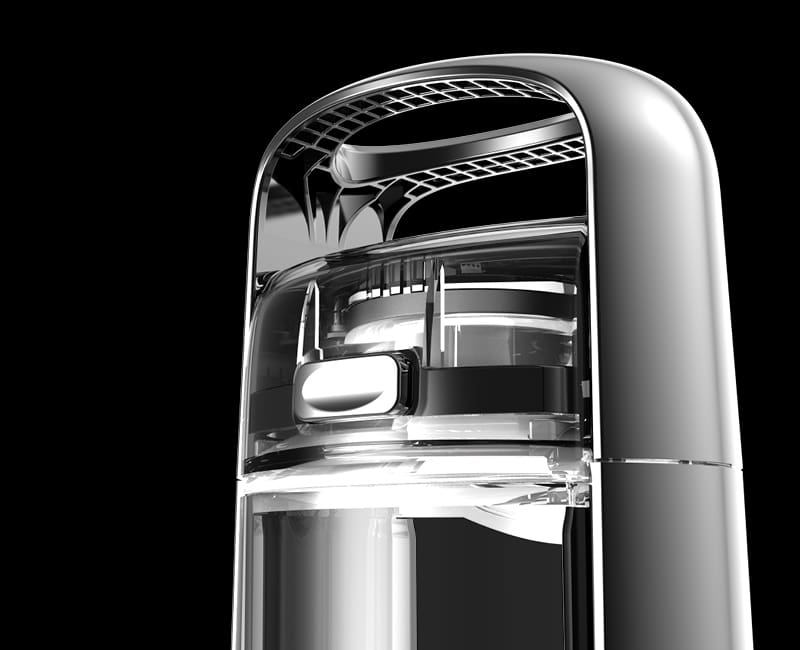
The modular design would also be required to be enclosed to ensure sample safety, conceal internal mechanisms wherever possible without compromising functionality or visibility and accommodate a fast-moving pipetting gantry with Hamilton’s proprietary best-in-class throughput.
Elevating the Experience
Starting with clinician interviews and observational research, day/week-in-the-life studies and competitive benchmarking, RKS brought clarity to the aspects of attraction, empowerment and on the flip side, pain points and frustration. The designers needed to understand and then elevate the users’ experiences in order to win over clinician adoption and persuade the labs’ financial decision-makers.
Early observations revealed the cluttered, chaotic environment of the typical lab, in stark contrast to the precision and carefully considered processes used in research. Surely, this could not be conducive to the highest levels of inspiration and dedication to task required for breakthrough discoveries. There was a disconnect in the discordant array of instrument components and their necessary integration for precise, efficiently paced workflow.
A compact footprint was envisioned, in which Hamilton’s leading-edge machinery could most efficiently be deployed and used to best advantage in terms of ease-of-use, confidence and user empowerment. It would make a clear and bold statement, standing apart yet creating visual harmony amid the clutter and bringing a caché to the lab that commands notice and respect.
A Bold Centerpiece
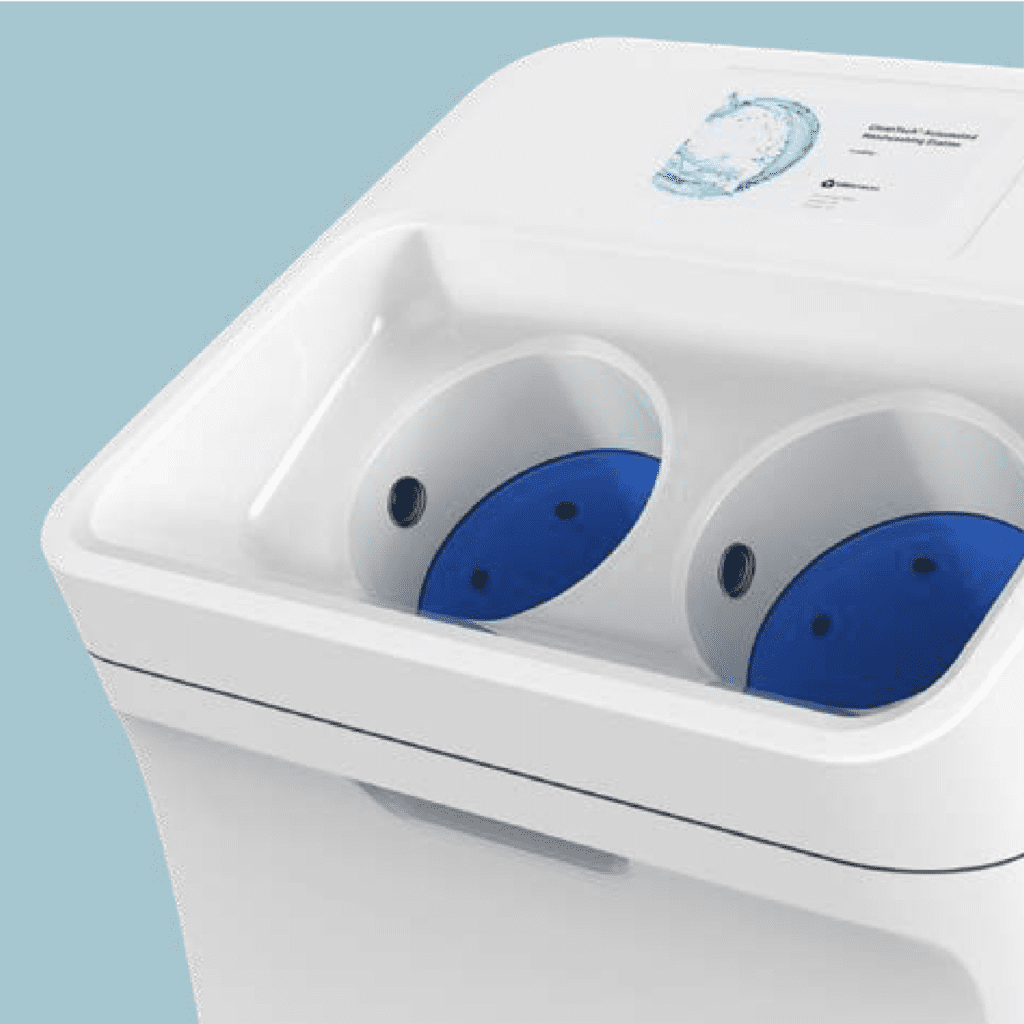
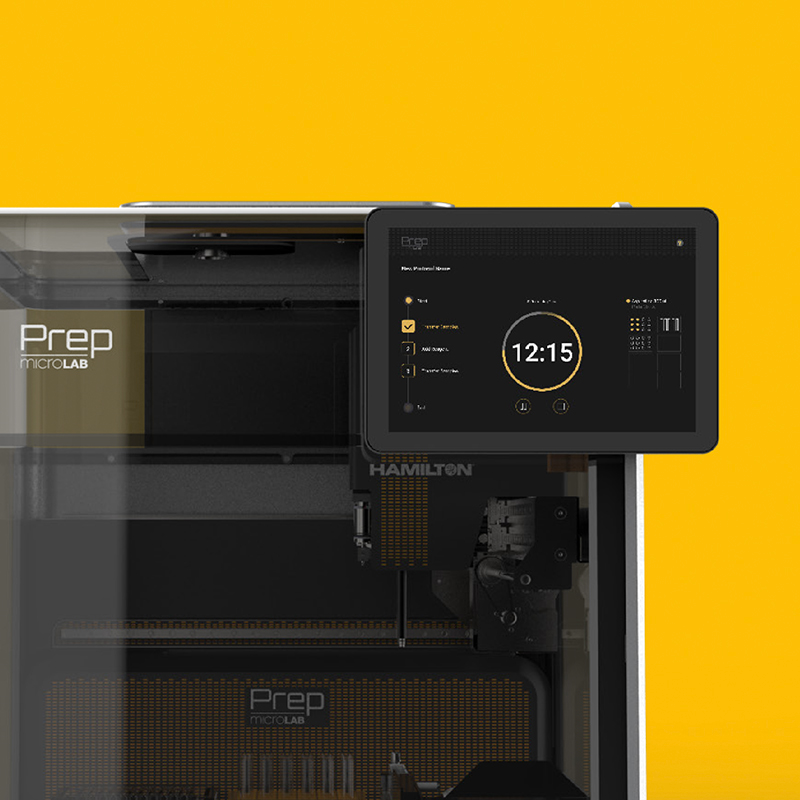
Moving the unit out from the wall, a typical placement, created a centerpiece that would set the tone of professionalism, innovation and efficiency to the lab. Ergonomics dictated the designing of large, easy-access doors that could be opened in close quarters as well as a large, intuitive touch screen interface for quick monitoring, cycle initiation and error-free control. The simple, “soft-box” geometry, favored by the design team for optimum integration into the lab environs, is enclosed but fully open-to-view through transparent blue polycarbonate. The mechanisms and processes within are visible and easily monitored with 360-degree visual access, enhancing the user experience of all functions as well as the clinicians’ overall emotional response in the laboratory setting.
Awards and Acclaim
The Hamilton XRP, introduced in 2011, has been well received in both clinical and design circles. Recognized with an Industrial Design Excellent Award and as a finalist in the International Design Awards, it has also received acclaim for its contribution to the scientific community, elevating research efficiency and throughput, and stimulating the discovery process. The scalability of the equipment has boosted the value of the XRP system and provides opportunities for a much wider range of adoption in the laboratory research field than the static, one-dimensional and clumsy solutions that have cluttered busy labs for decades.
Hamilton Medical
C1/T1/MR1 Portable Ventilators
Critical Design
RKS’ research, strategy and design aids Hamilton Medical in creating a new category of mobile life-saving ventilators
When illness or injury prevents an individual from the simple task of moving precious air in and out of his lungs, death is only a few moments away. The ventilator is the essential device that takes over for the patient’s breathing functions; its availability, convenience, and functionality are absolutely critical to his survival. Whether at an accident scene, in surgery, or in the ICU, this equipment must integrate within the responders’ or caregivers’ immediate environment and task at hand.
Going Mobile
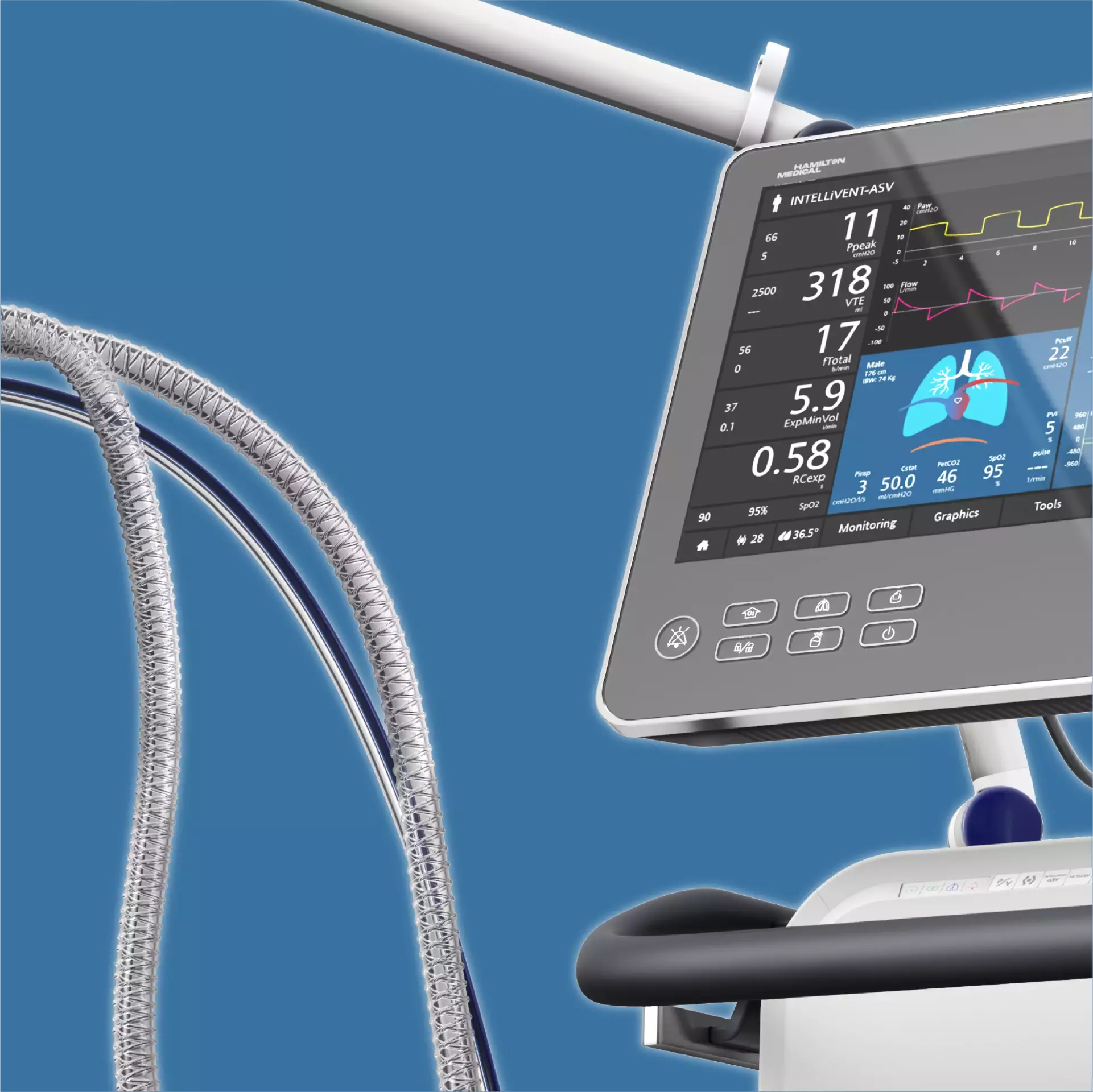
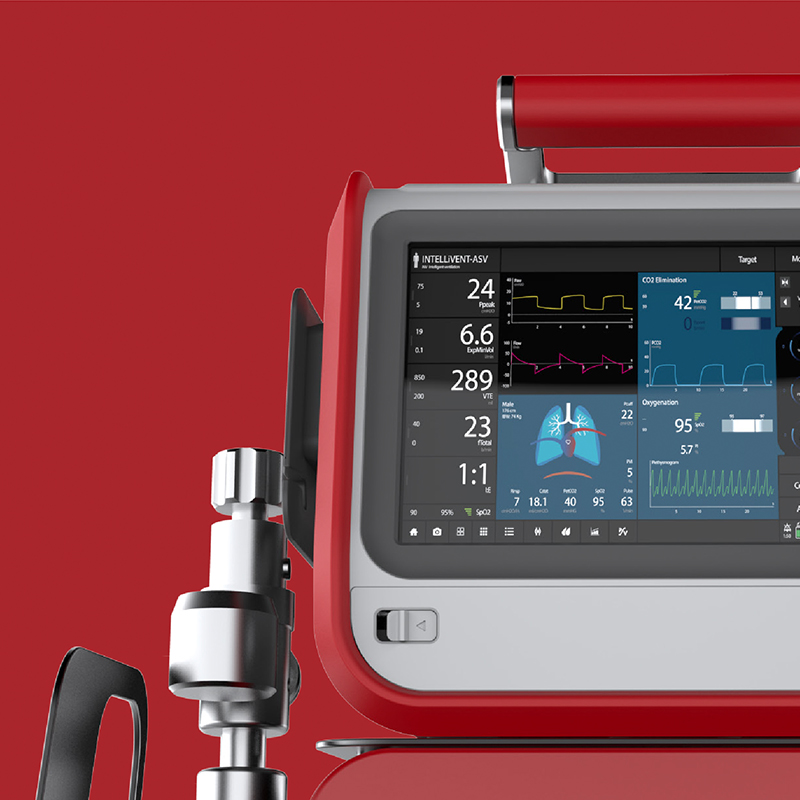
Hamilton Medical, a leader in technological innovations in respiratory ventilators, collaborated with RKS Design to develop a new and more efficient category of transport-optimized ventilators. The challenge was to incorporate the best features of full-sized, static ventilators into more compact, mobile units, designing a caregiver-centric solution that optimized the patients’ outcomes.
RKS’ methodology, based upon in-depth research as well as ethnography, insight and strategic vision, creates a design language specific to the challenge at hand. In this case, it was essential to identify the needs, aspirations, obstacles and pain points that swirled around caregivers in the critical, dynamic, often highly-charged environment in the field or in the hospital.
How can design facilitate saving lives, even when patients are 2,000ft in the air?
Responding to First Responders
In order to develop deep understanding of the first responders’ needs and circumstances, RKS conducted in-depth interviews with EMTs, ICU nurses and others who might reply upon ventilators to keep patients alive after trauma or during transport. What emerged was the caregivers’ emphasis on intuitive, fairly simple equipment that was rugged, reliable and offering great flexibility in use. Bedside use had its requirements, as did a unit tasked to serve a patient gliding slowly through an MRI tunnel. Yet those were quite different from the attributes expected—and needed—of a unit pressed into service at an accident scene or 30,000 feet in the air. It became clear that the basic design would need to be not only flexible enough for a variety of logistical applications, but also lend itself to alternate configurations designed for specific and specialized usage.
The basic needs to elevate the user experience, simplify training and ensure life-saving performance in fast-paced, stressful situations called for the integration of Hamilton’s proprietary full touch-screen interface. On-site analysis also revealed the need for a minimalist footprint to get the machine where it was needed to be quickly and easily. Along the way, designers were mindful of cost considerations and the economic realities of customers.
Fortified with hard data, insights and strategic tools, RKS set to the task of crystallizing its knowledge into innovative solutions. The process was comprised of intensive and comprehensive creative sessions that led to a series of form studies. Developed through iterative steps from form evaluations to study models and then mock-ups, they were then field-tested to gain further insight and inspiration. Concurrently, RKS collaborated with the teams at Hamilton in Switzerland to integrate all technological aspects, service requirements, durability and COG optimization, working in parallel to develop the design language, enclosures, user experience and mobile optimization.
Less Focus on the Machine
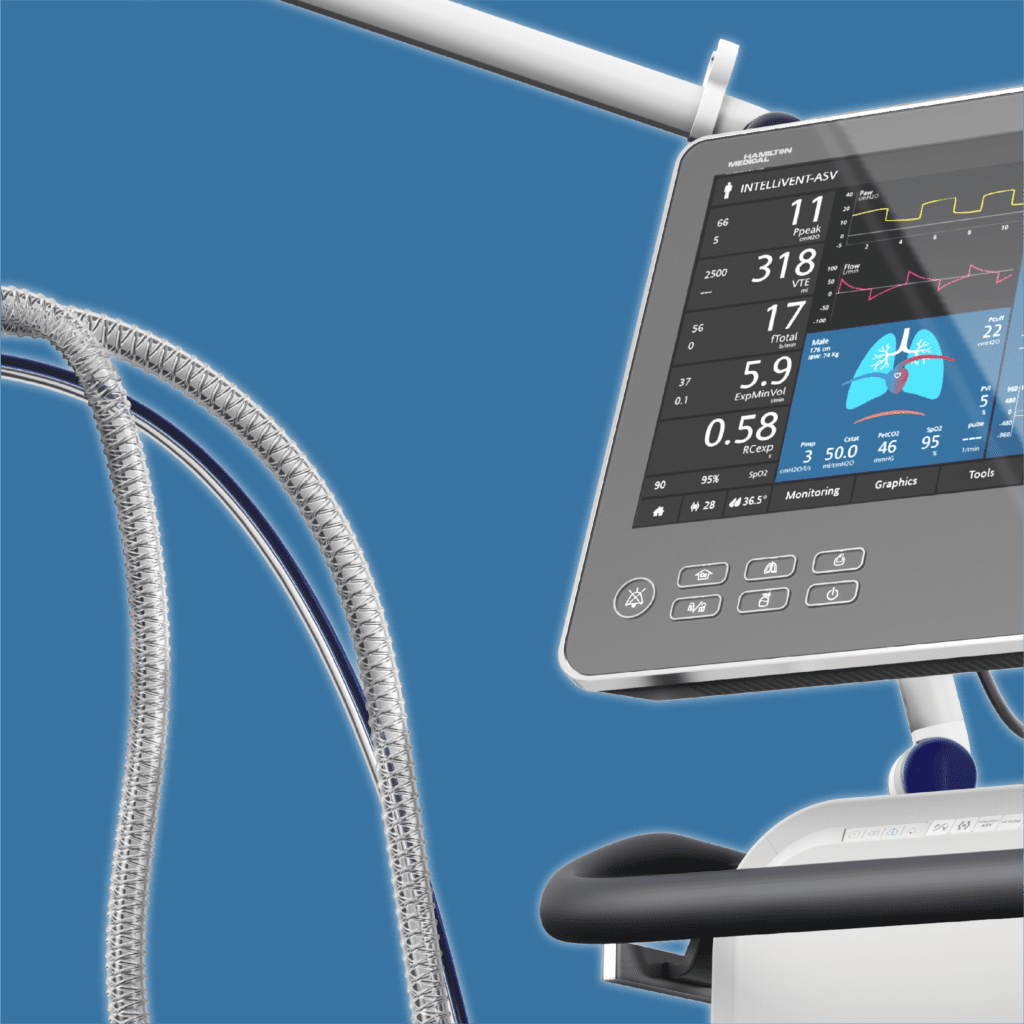
Requiring less interaction with the equipment for monitoring patients or responding to alarms transformed the clinician’s experience. Carefully considered display layout and data, intelligent knob and control design and adaptable alert parameters allowed the caregiver to focus more on the patient and less on the machine, especially during transport.
Mobility is further optimized through well-considered battery and cord/hose design, while integrated universal attachments accommodate diverse usage scenarios—helicopter mounts, bedside attachment, etc. Within its compact footprint, benefits for both patient and care provider are enhanced, its access to tight quarters allowing it to follow both adult and pediatric patients in the air or on the ground.
One Language, Three Stories
RKS leveraged the refined design language and general features in three configurations to accommodate a diverse range of needs. The C1 model is designed to provide ventilation in a variety of mobile ground scenarios, while the M1 caters to the breathing support of ICU patients within the vicinity of an MRI. This model is optimized to service patients through the ICU-MRI procedure without comfort or safety-compromising disruption. The lightweight (6.5kg) T1 is the mobile workhorse of the bunch, designed to ventilate the adult or pediatric ICU patient at any place in the world, accompanying them within and between hospitals, in emergency vehicles, or aboard aircraft.
On-the-go patient care is essential, with minimal disruption. To that end, the T1 configuration includes built-in long-run batteries that can be “hot-swapped”, integrated chargers, power source adaptability and auto-switching between power sources for international travel.
RKS’ ventilator design provides enhanced performance, operational safety, intuitive usability, and refined ergonomics that serve the caregivers well in serving their patients. Designed-in adaptability allows the multi-functional units to meet the varying needs of all ICU patients as well as those en route. With cost-effectiveness, efficiency, ease-of-use as well as the ruggedness essential to mobile medical equipment, the design breathes new life into the world of the emergency caregiver.